

Simulation-based modeling solves real-world problems safely and efficiently. It is an important analytical method that can be easily verified, communicated, and understood. Across all sectors and disciplines, simulation-based modeling provides valuable solutions by offering clear insights into complex systems.
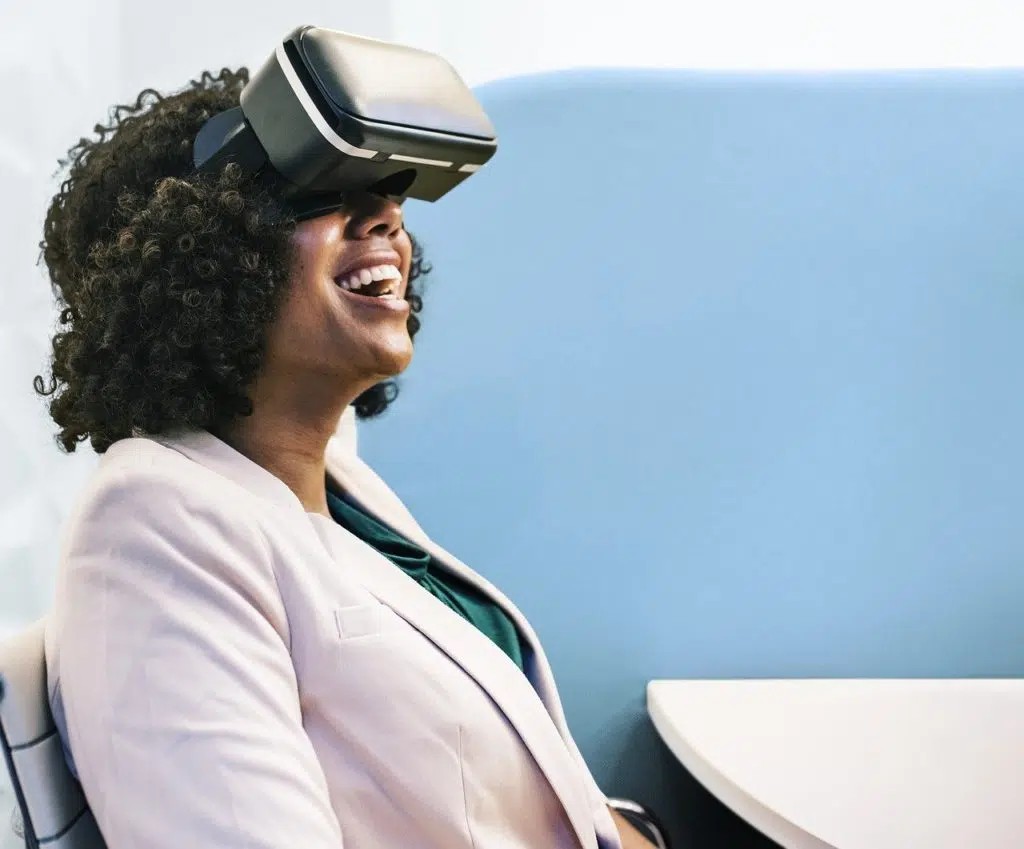
Simulators exist in aeronautics (like flight simulators), in finance, in technology, in electronics (like PCB Simulation Software ), in every field there is a simulation software.
What is simulation modeling?
Simulation allows for the testing of a valid digital representation of a system. Unlike physical modeling, such as a full-scale replica of a building, simulation modeling is computer-based and uses algorithms and equations. Simulation software provides a dynamic environment for analyzing running computer models, with the ability to visualize them in 2D or 3D.
The uses of simulation in business are varied and it is often used when conducting experiments on a real system is impossible or impractical, often due to cost or time.
The ability to analyze the running model distinguishes simulation modeling from other methods, such as those using Excel or linear programming. By being able to inspect processes and interact with a simulation model in action, understanding and confidence are quickly built.
A safe environment with simulation modeling
Simulation modeling provides a reliable way to test and explore different hypothetical scenarios. The impact of changes in staffing levels within a factory can be observed without jeopardizing production. Make informed decisions before implementing any real changes.
Save money and time with virtual tools
Virtual experiments with simulation models are less expensive and time-consuming than experiments with real assets. Marketing campaigns can be tested without alerting the competition or wasting money.
2D/3D visualization
Simulation models can be animated in 2D/3D, making it easier to verify, communicate, and understand concepts and ideas. Analysts and engineers gain confidence in a model by seeing it in action and can clearly demonstrate the results to management.
Increased precision of details
A simulation model can capture far more detail than an analytical model, offering greater accuracy and more precise forecasts. Mining companies can significantly reduce their costs by optimizing asset utilization and anticipating their future equipment needs.
Managing uncertainty with models
The uncertainty of operating times and results can be easily represented in simulation models , allowing for risk quantification and the development of more robust solutions. In logistics, a realistic picture can be generated using simulation, including unpredictable data such as shipping delays.
The concept of simulation-based modeling is crucial in an optimized design process. It allows for the resolution of complex problems and the anticipation of scenarios more quickly and cost-effectively. It is an efficient way to innovate while minimizing risk. Simulation plays a vital role, particularly in the field of security.

